

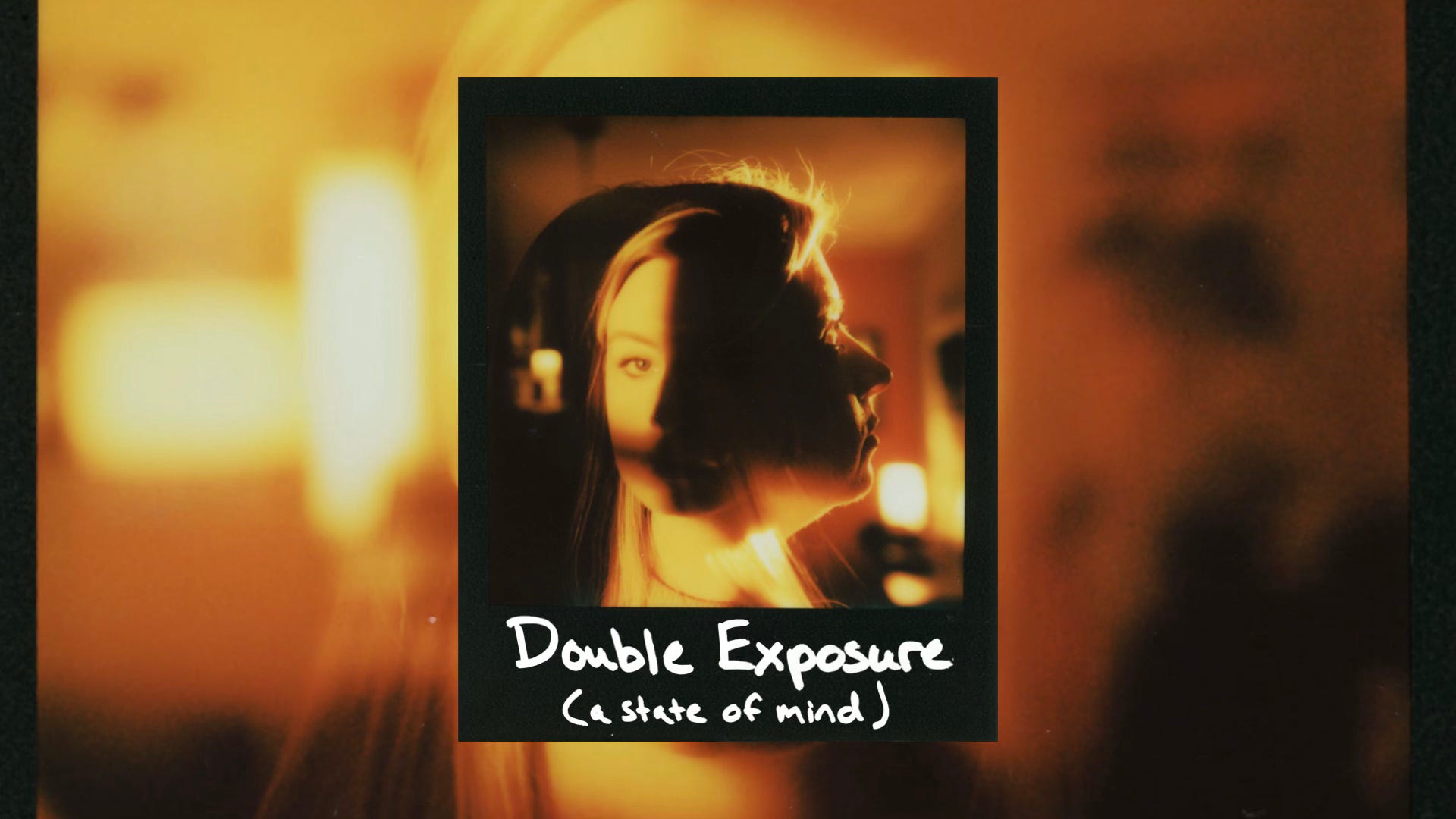
Over the weekend I gave a talk at Polacon NYC discussing my perspective on the seemingly gimmicky art of double exposure photography. I personally think that this often overlooked feature can contain a lot of power, and it can go deeper if we think about how it can get us closer to expressing more in a photograph.
Why Double Exposure photography?
I believe that if we think about the relationship between the two or more exposures we are joining together, it opens up a lot of possibilities. One of them is simply that we can put more subject matter in a single image, which brings me to….
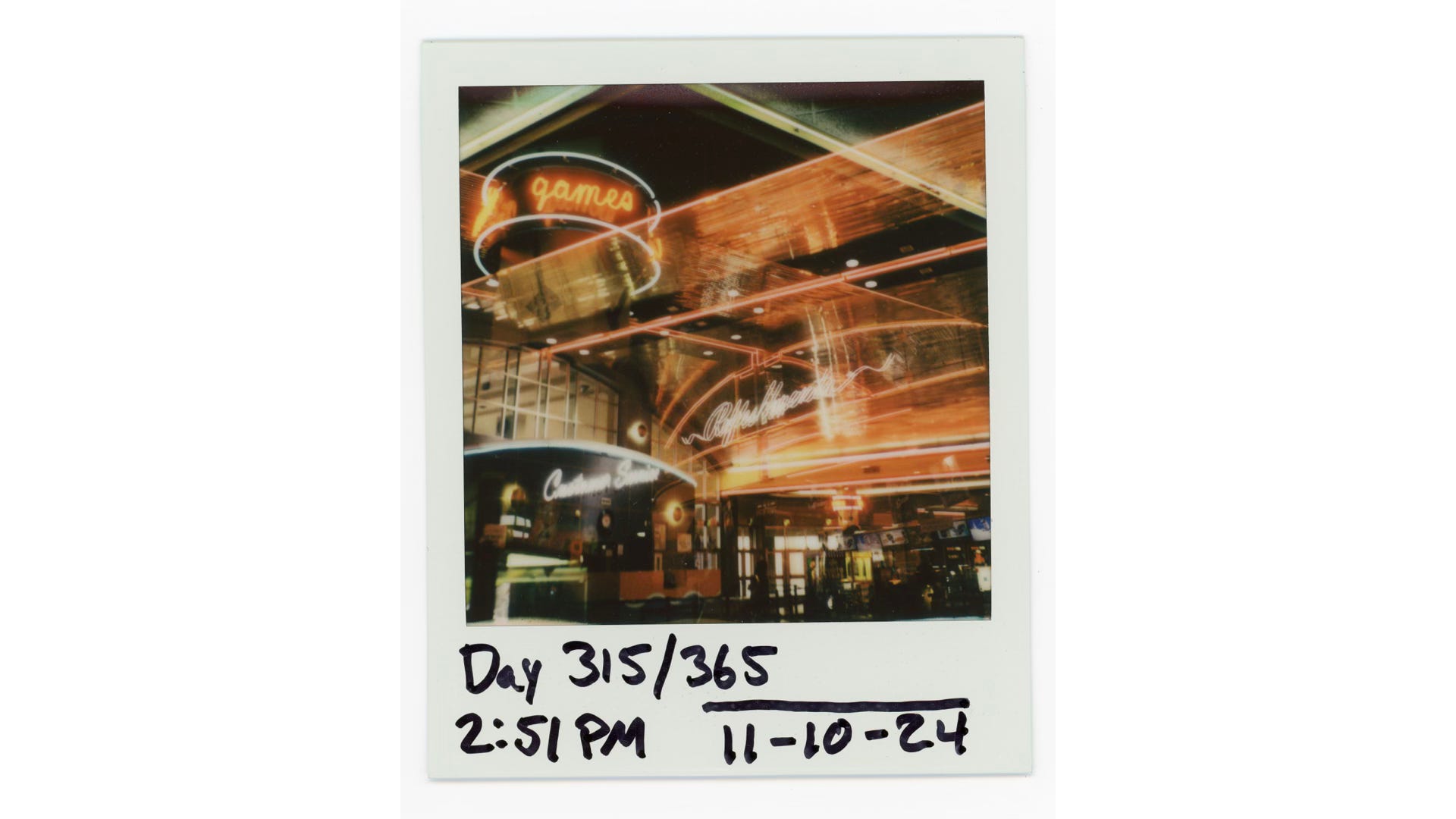
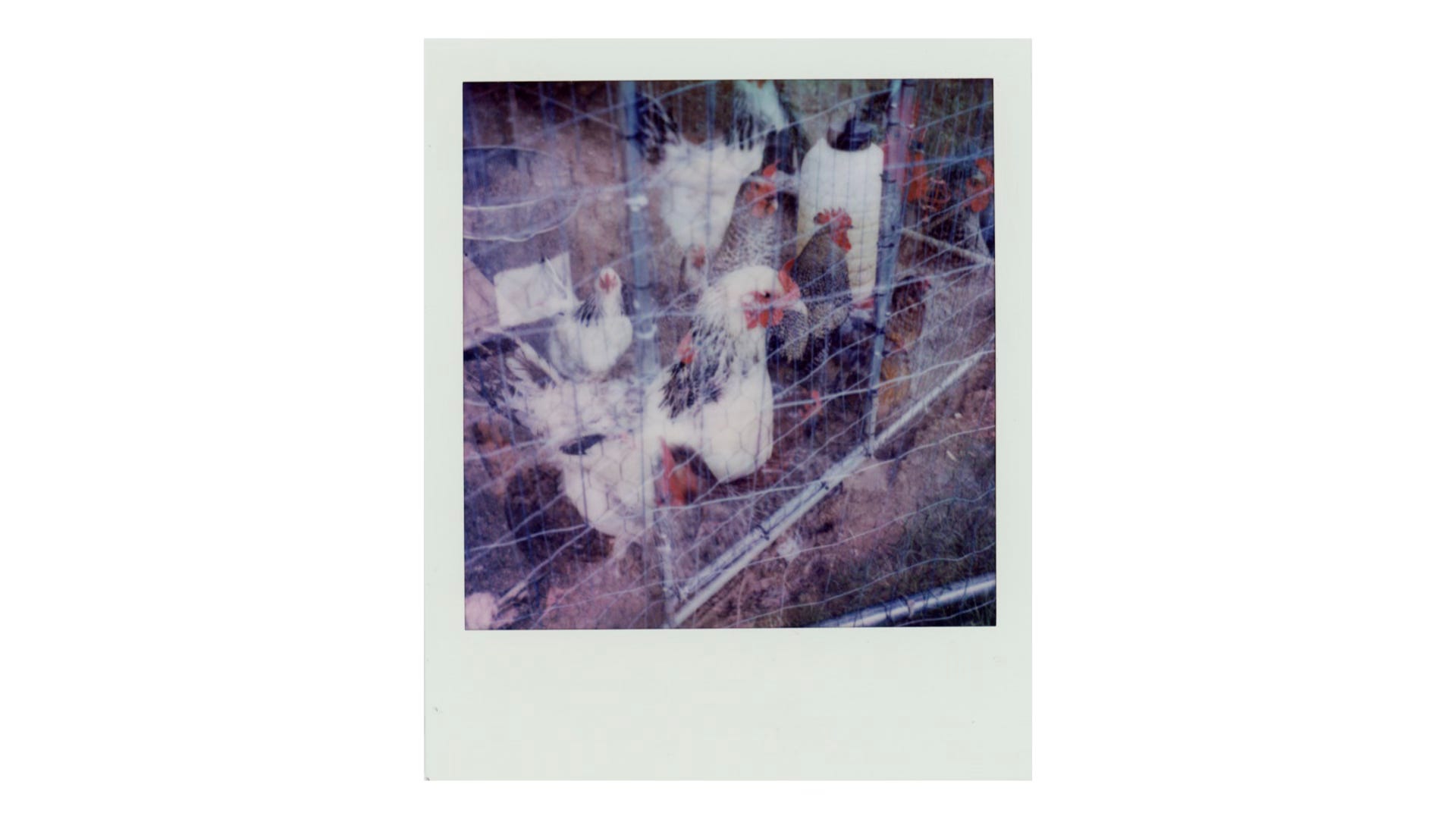
A chaos double-exposure is the simplest, but potentially the most risky if our goal is to save money on film. If we open up our mind to surprise and accident, I believe we can get some truly amazing results. Basically, if there’s a scene I want to photograph, but I can’t fit everything in a single frame through normal means, I just take multiple photos and “play it where it lays”
The shadows are your canvas. The shapes of the shadows are going to determine what shape your second image will be. This is probably the most common way to do a double exposure; the idea being that you put multiple interesting forms together to make one, very interesting “ultra-form”. The obvious example being the flowers in a human head silhouette type of photo you’ve probably seen online a bunch of times.
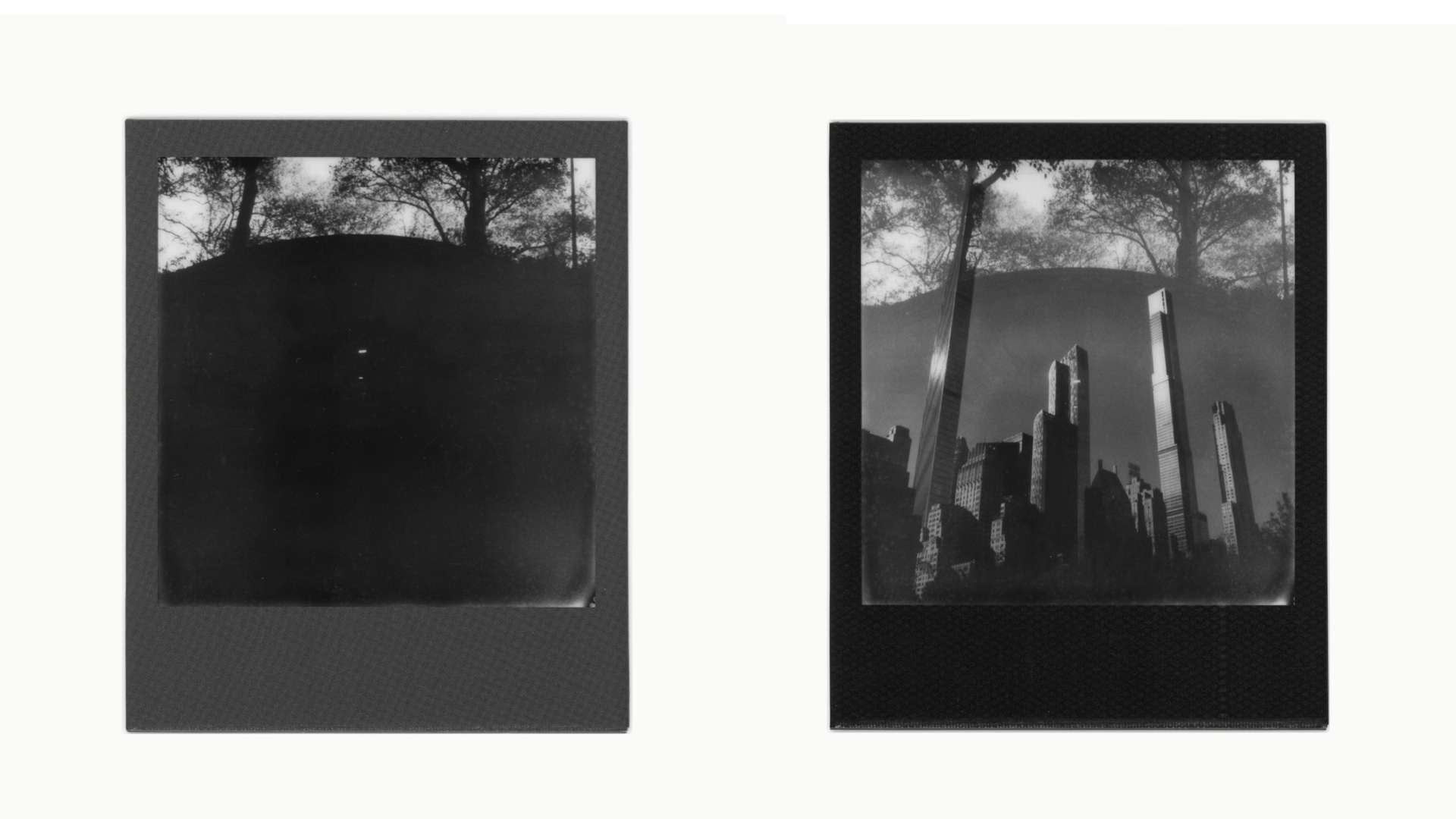
In this image, I contained buildings in the oval shadow created by a bridge in Central Park. My second image fits snugly in the first one to make a unique snow-globe of NYC.
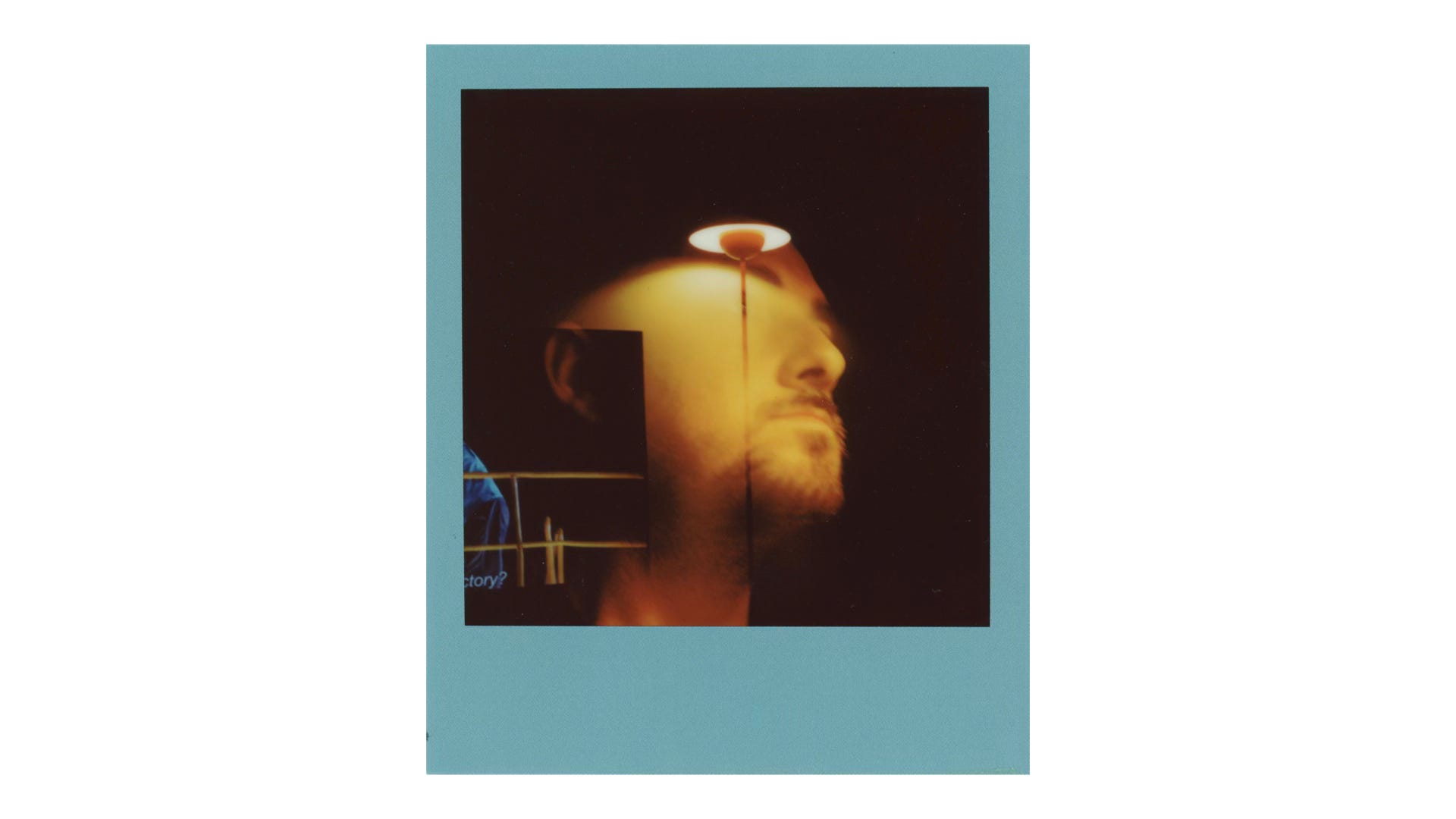
My head is lit by the arc of the lamp light.
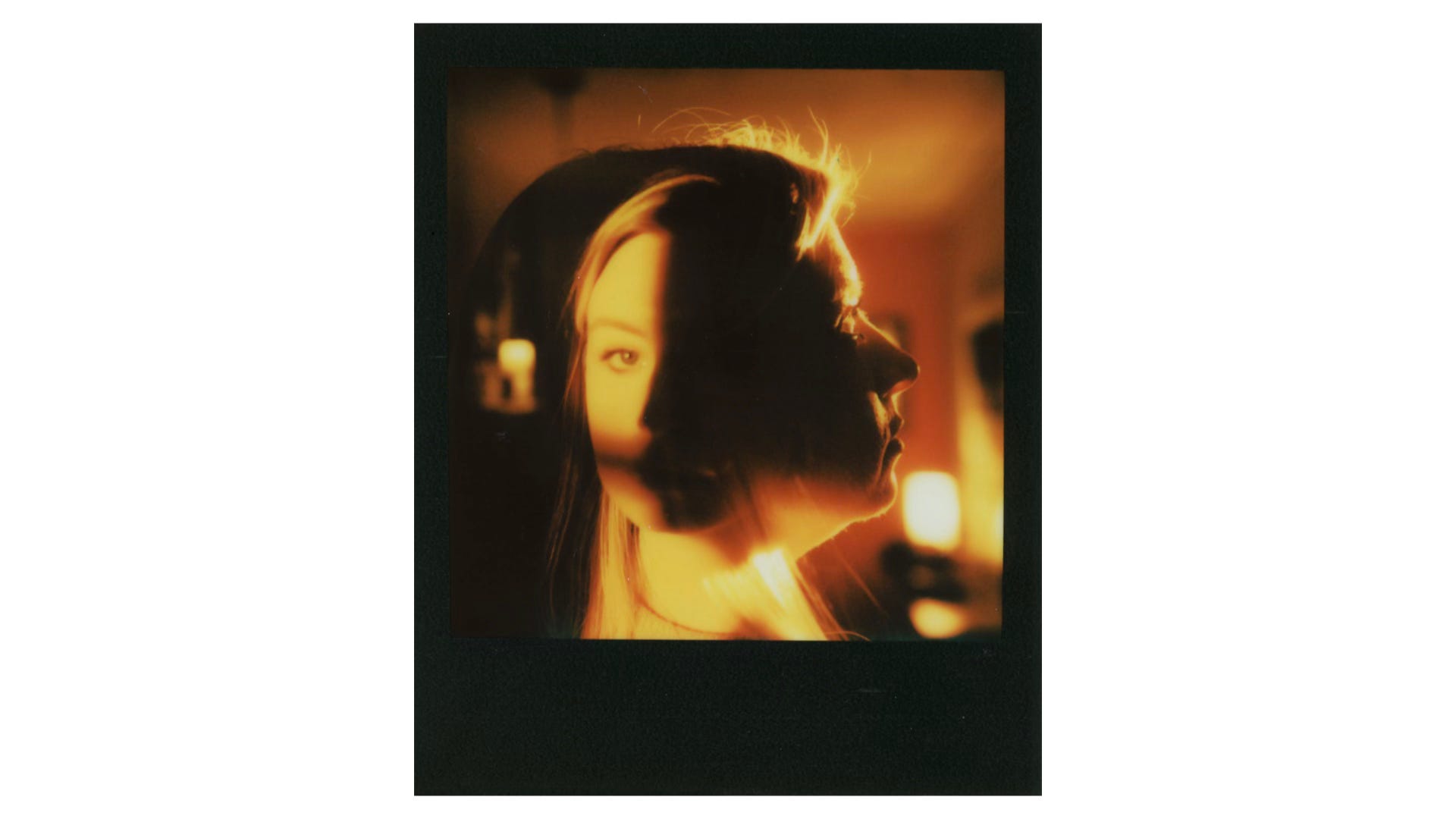
In this image, I wanted to capture light at all angles. I couldn’t decide which was best, so I took a picture from the side and then contained a photo of her face inside the first image.
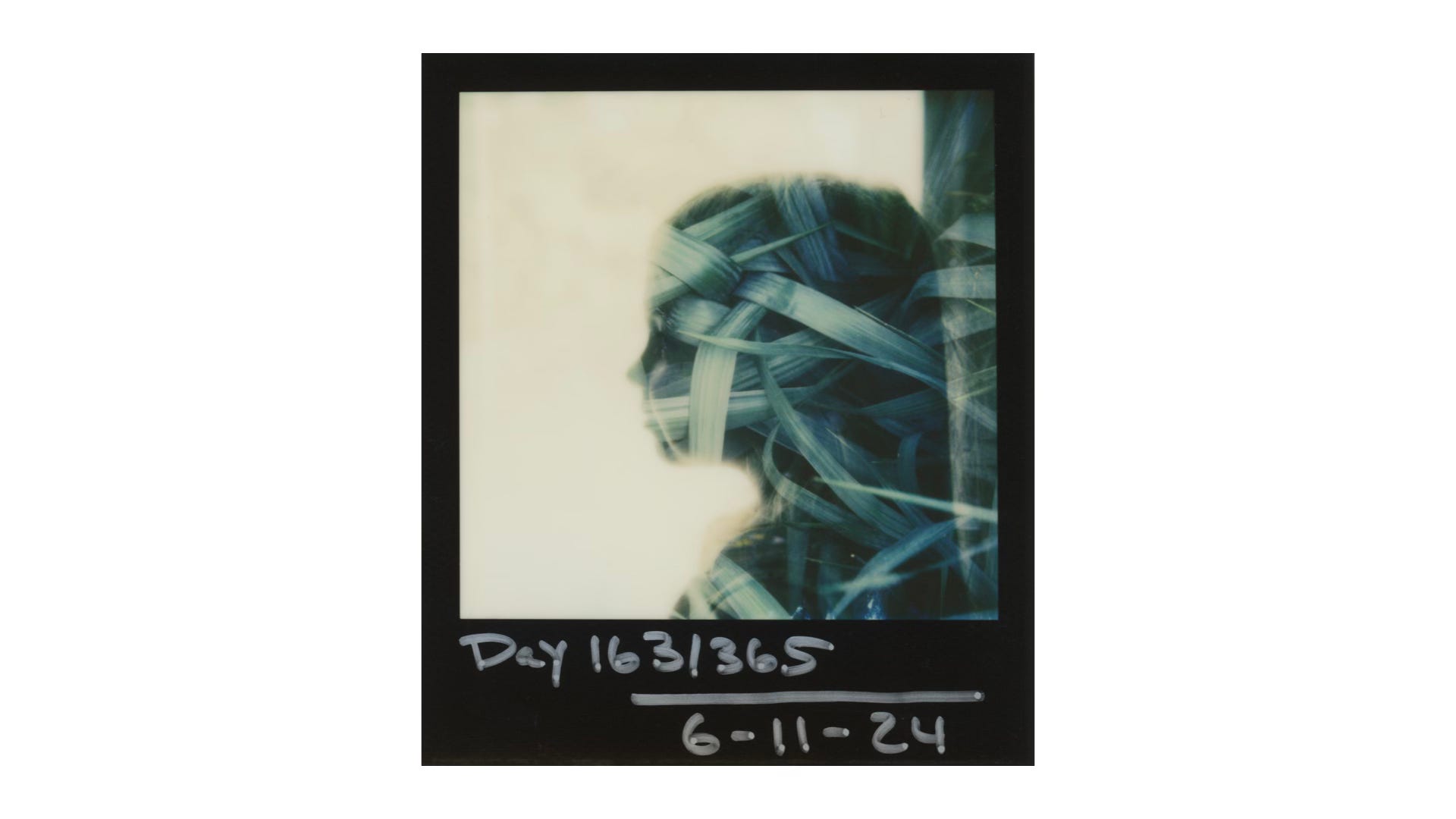
Double exposure piques the interest of just about everyone who sees a cool one, however there just aren’t that many photographers diving deep into their use in visual language. Why is that?
I think it’s because there’s already enough to think about when making one solid exposure, let alone two or three. Often, we just need a good reason to use it.
Or…an idea.
Juxtaposition is my simple way of coming up with ideas for new images. Essentially, I think about the relationships between the objects I’m photographing. Two exposures put together have an inherent relationship with each other, so what would make that relationship more interesting?
Think about opposites: Big/Small, Far Away/Close-Up, Front/Back, etc.
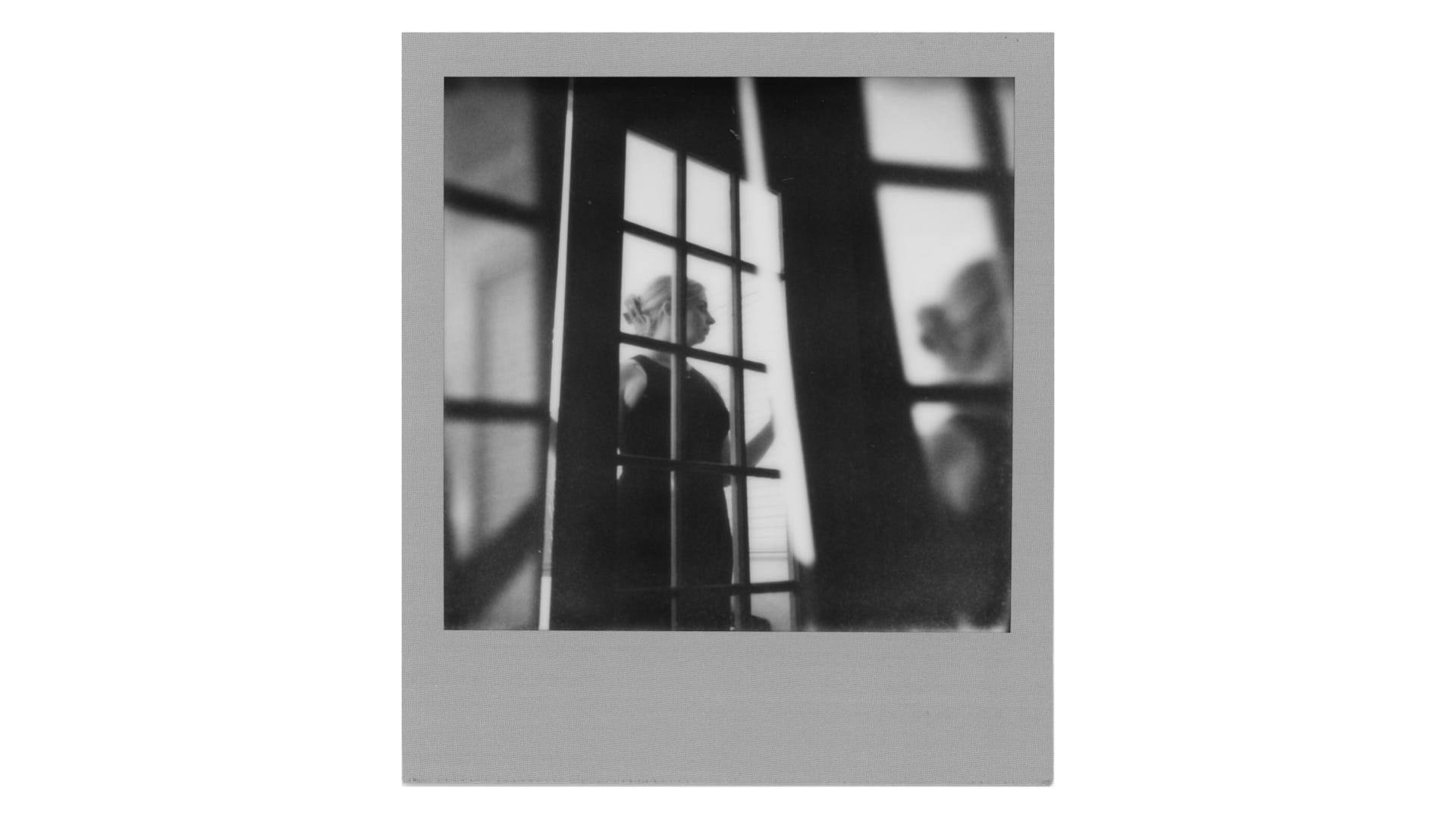
Here’s an example of Far Away and Close-Up. I even let the second shot get out of focus, because why not?
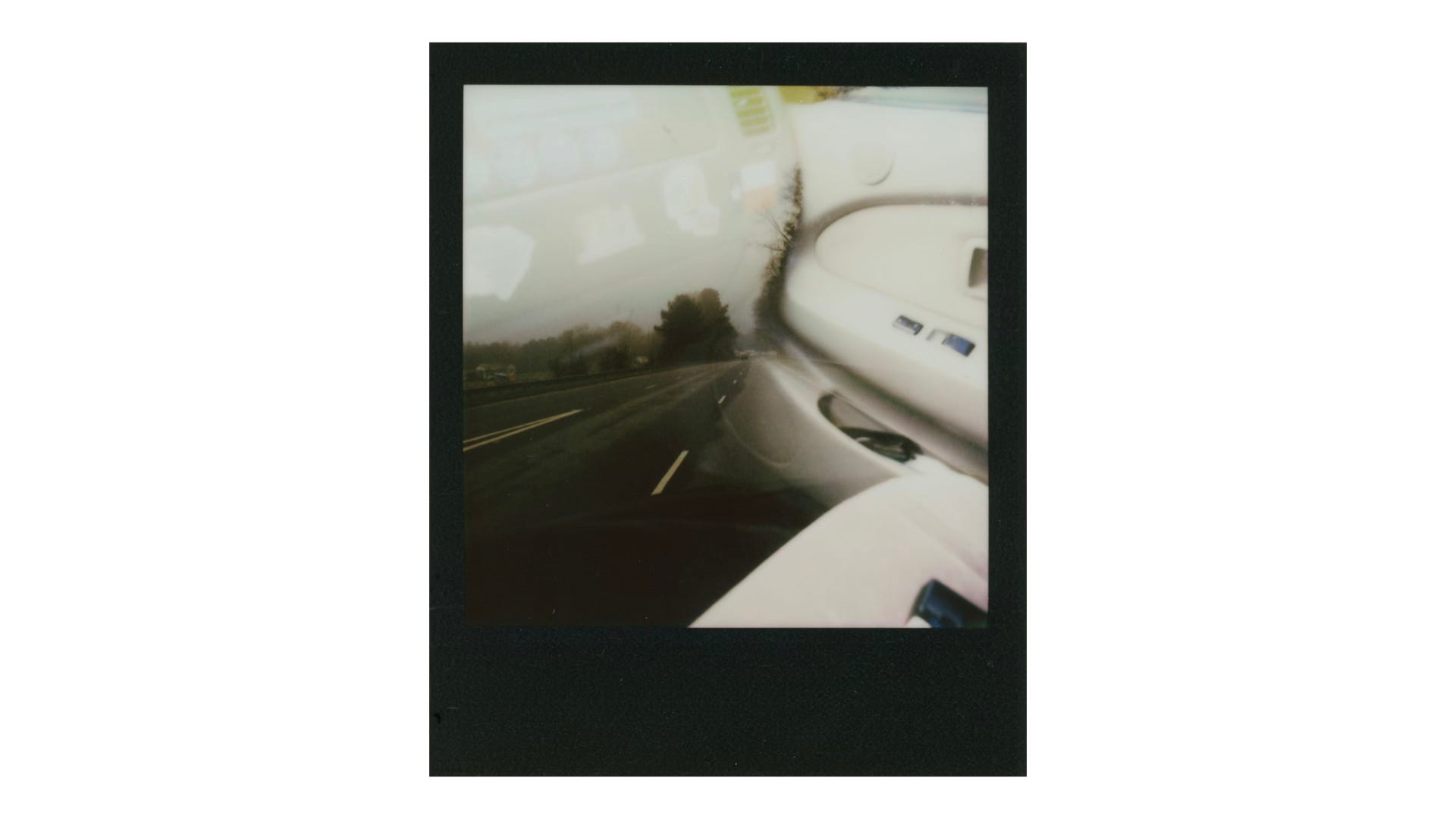
The relationship of subject matter can also make a photo more interesting. Here’s inside of my truck and the outside of my truck.
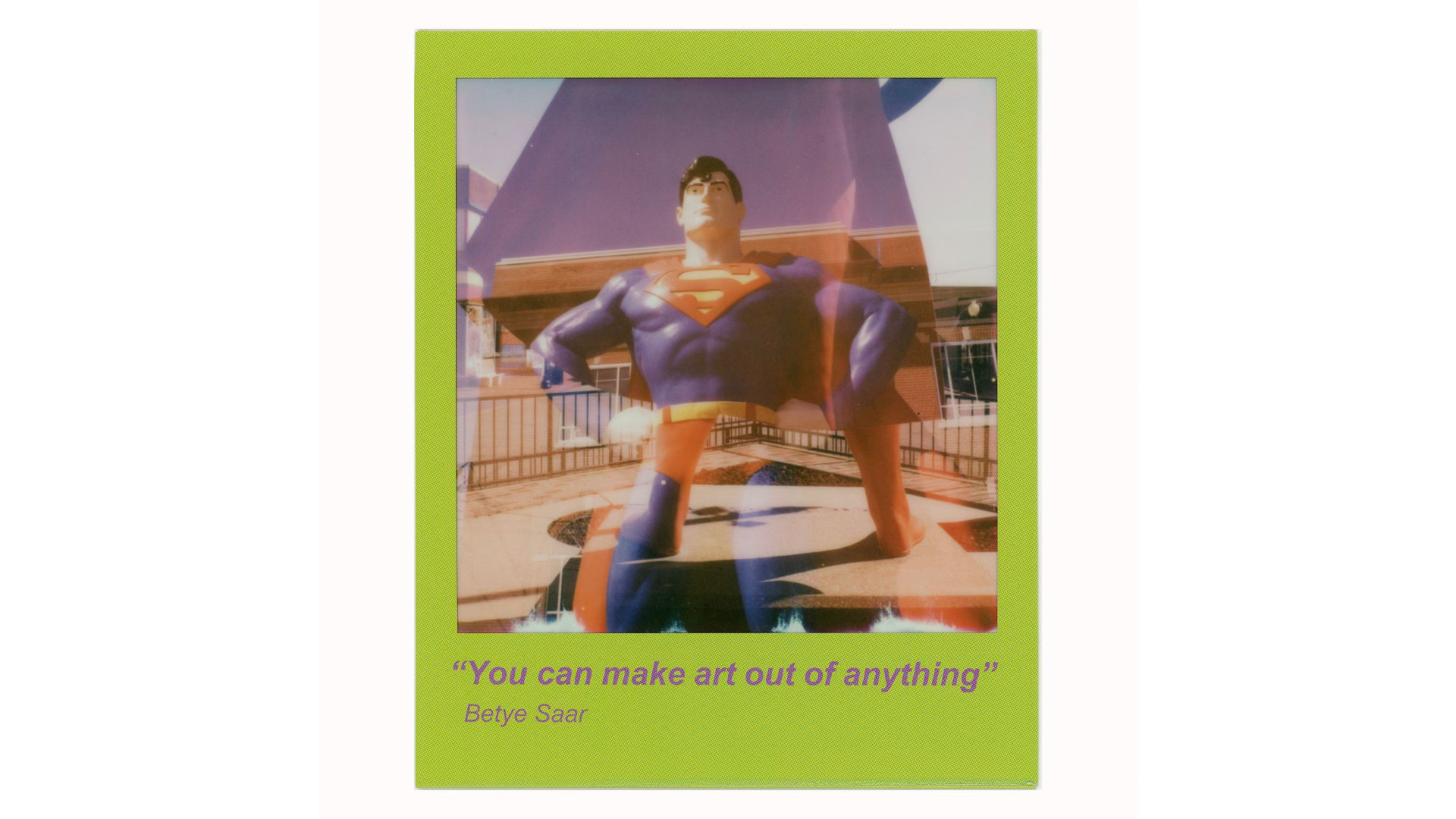
I couldn’t decide which angle of Superman I liked more, so here’s his front and his back.
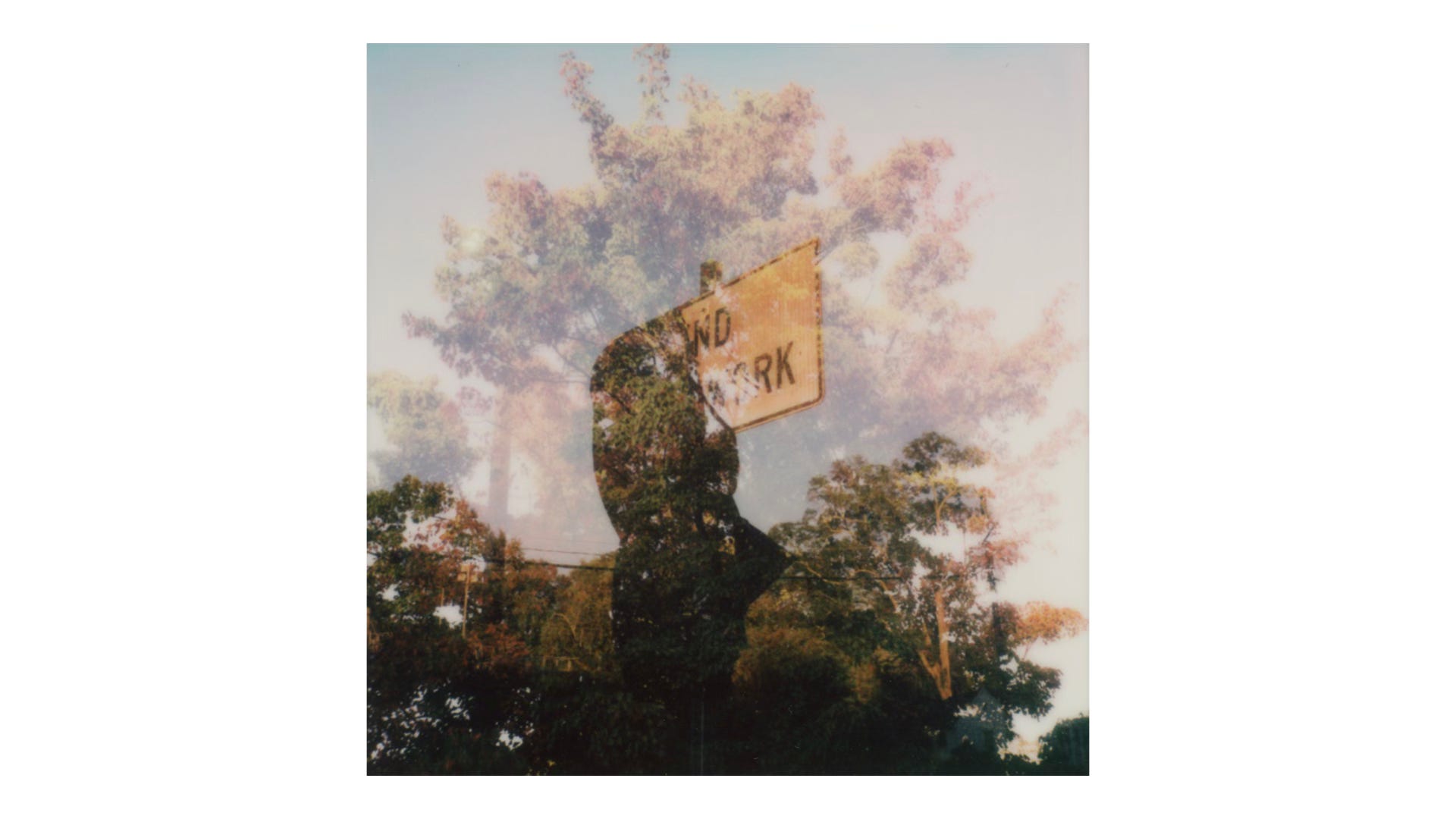
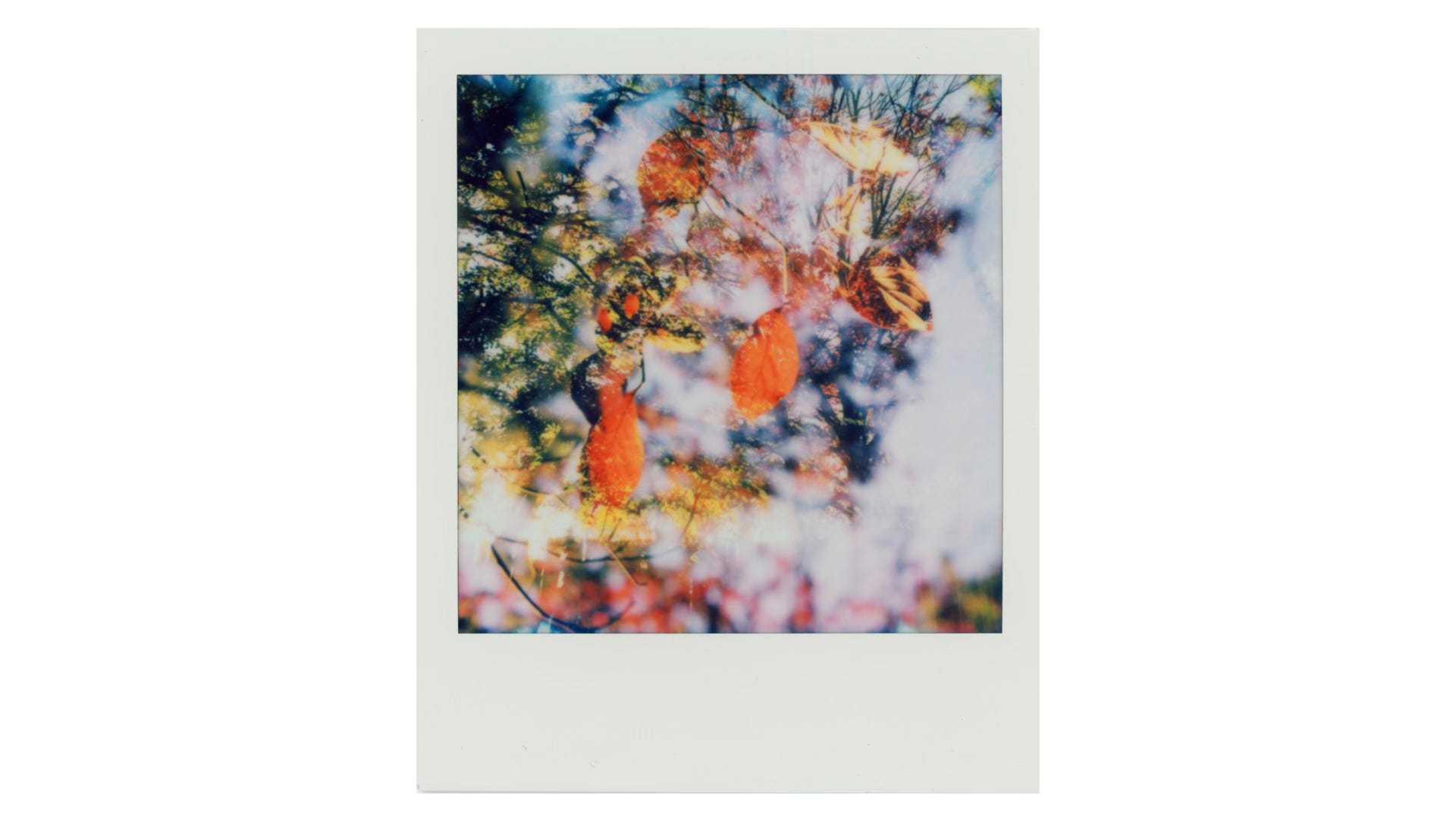
Orange construction sign + Orange fall leaves.
This is probably my most utilized type of double exposure because it often helps me better express my feeling of a place or moment.
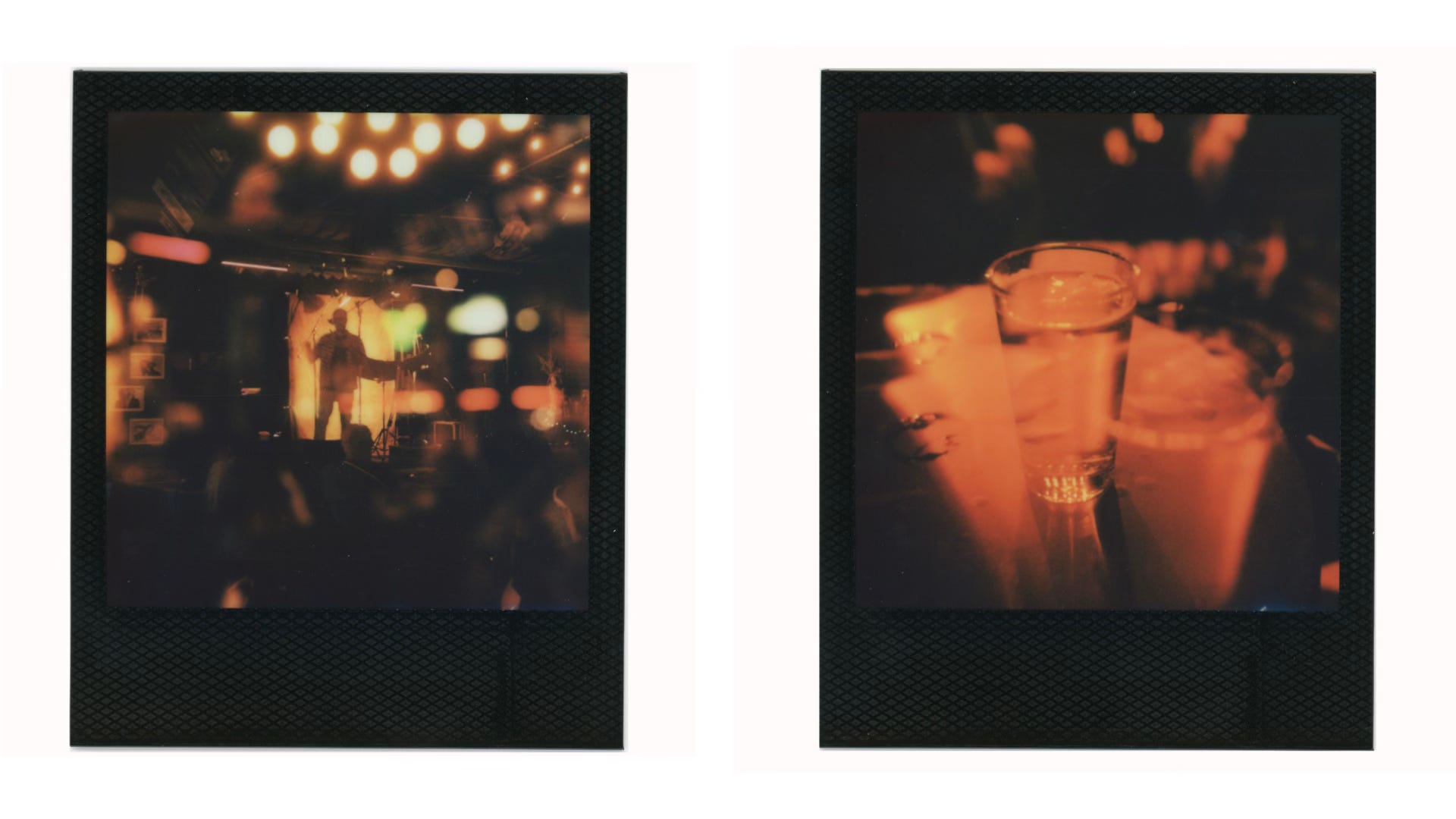
Chilling in a dark room with a beer, listening to a photography demonstration on stage? These photos sum it up better than a single exposure in a poorly lit room would have. Almost like you’re seeing this moment directly out of my memory.
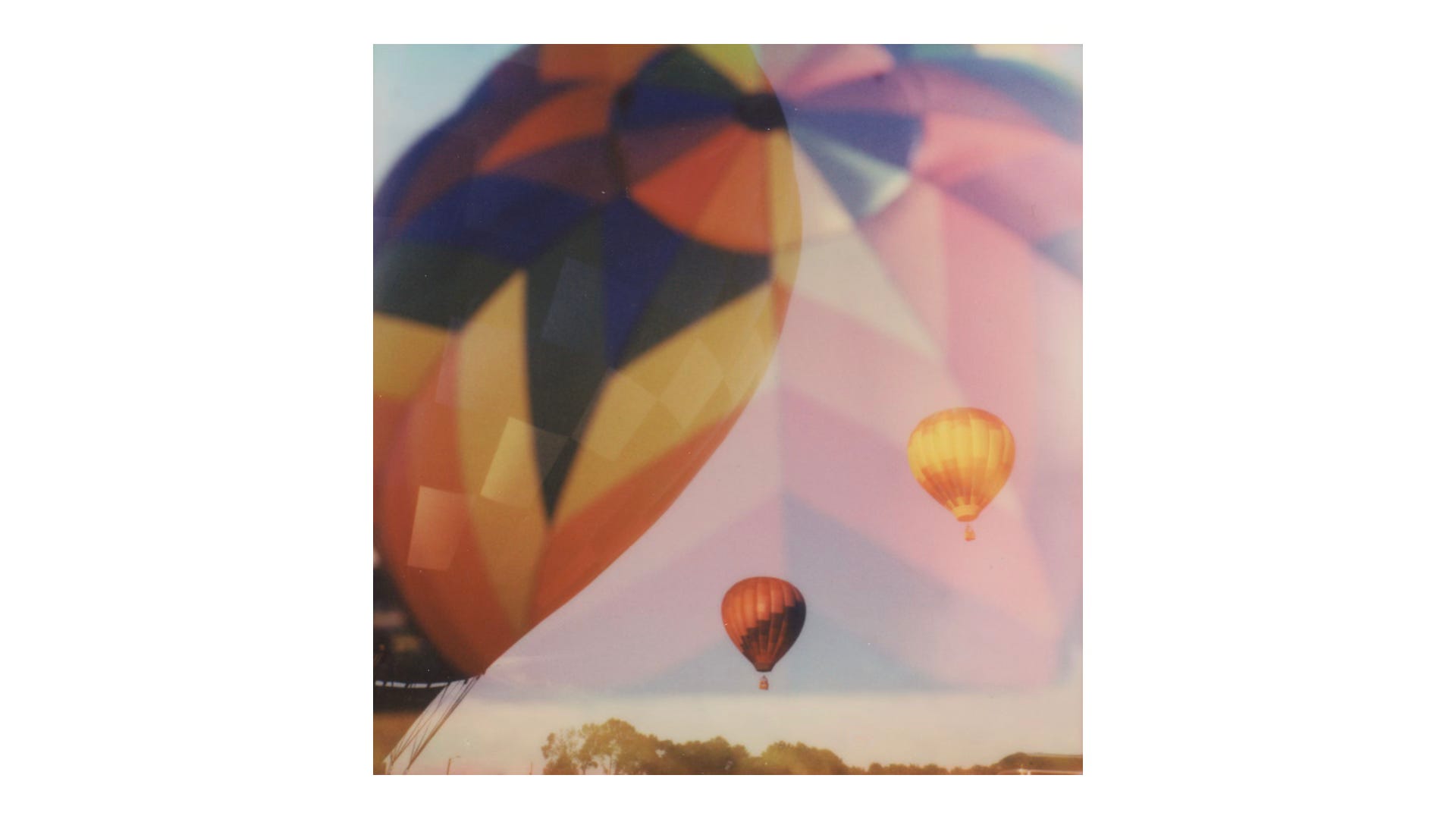
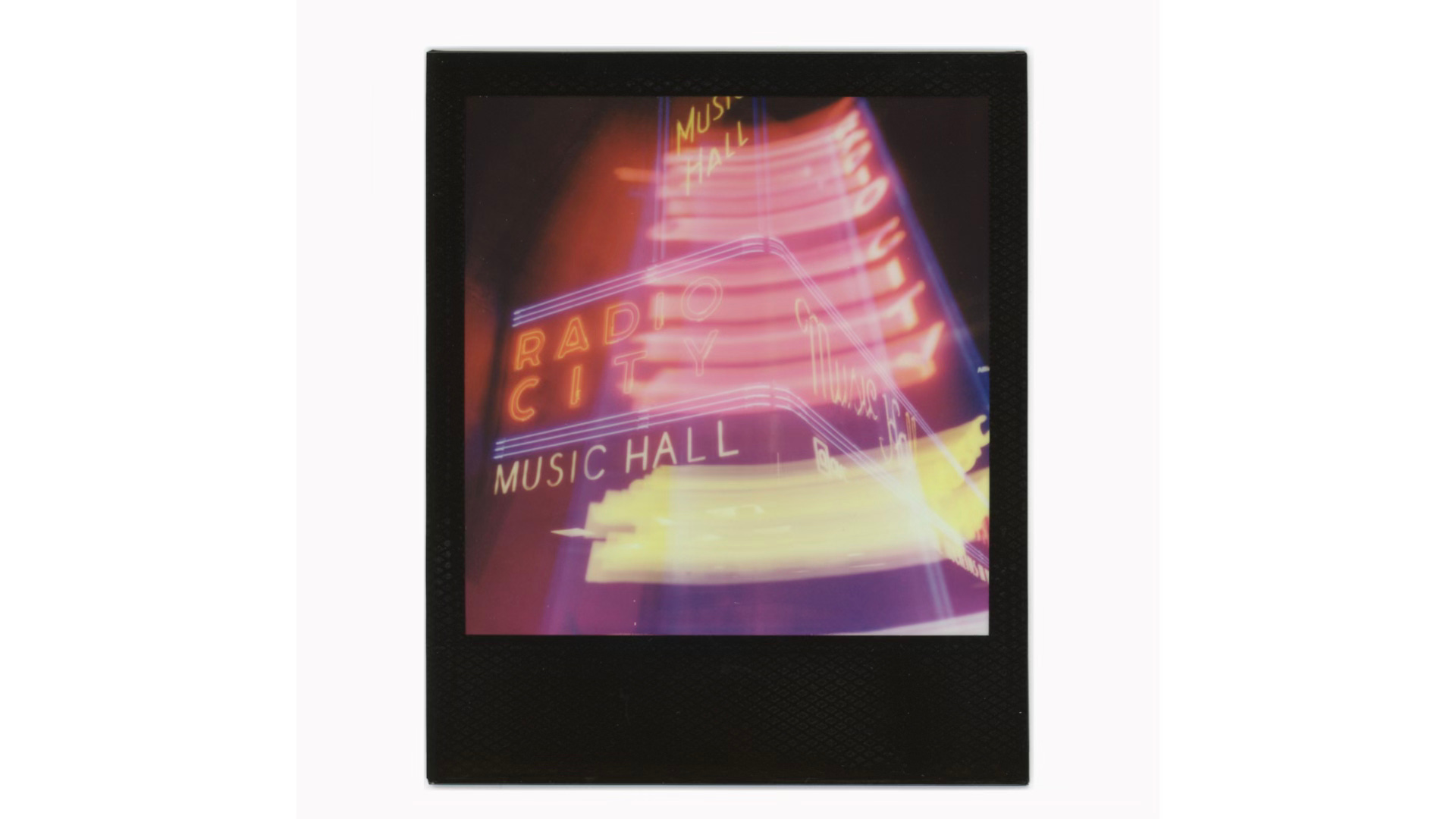
A vibes double exposure doesn’t necessarily require two functional images, but rather, a main image (that highlights your subject matter) and a second image that adds helpful texture.
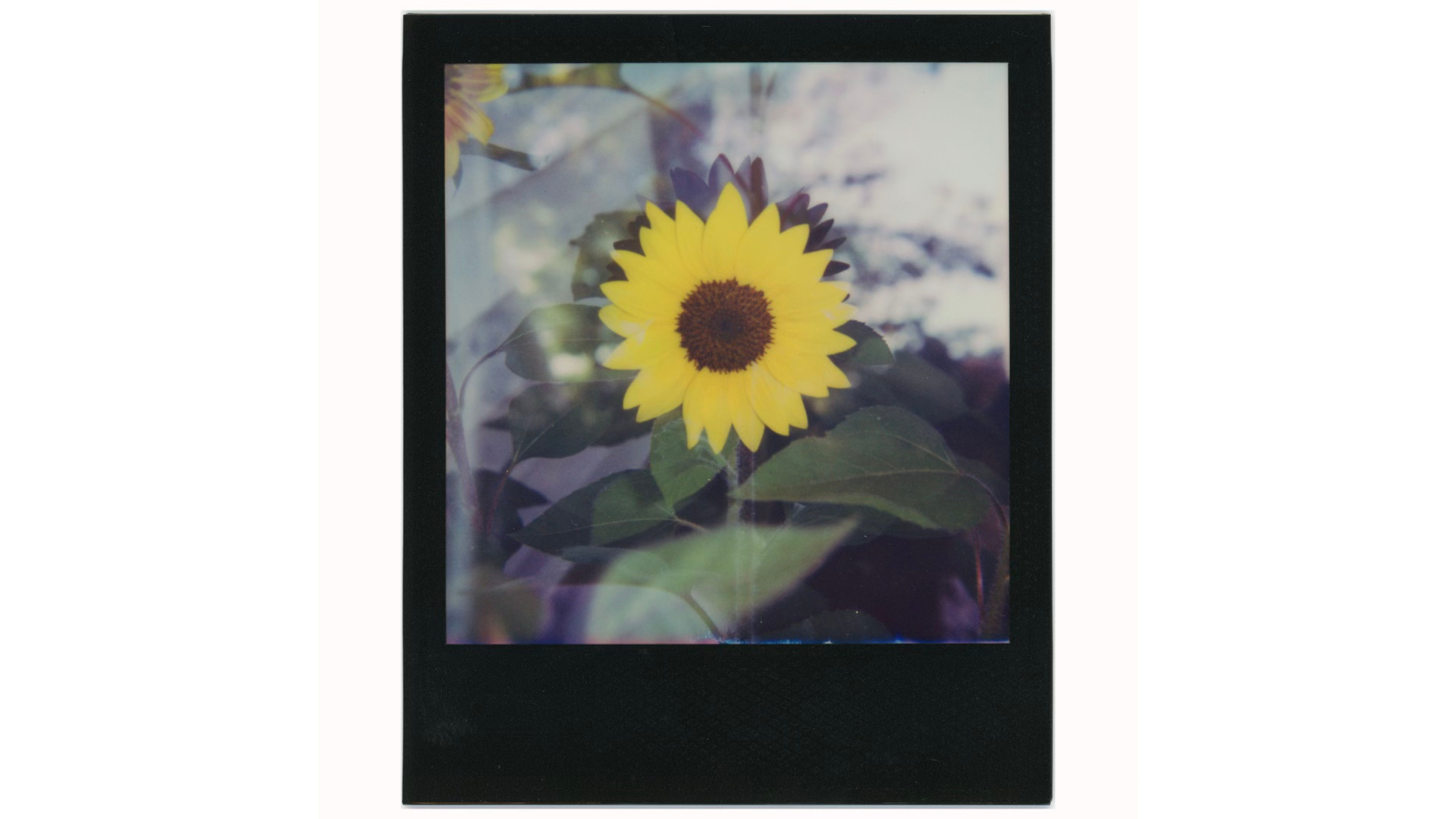
Sometimes a simple photo isn’t enough. We tend to exaggerate things in our minds after we experience them, so I believe a “vibes” double exposure leans on that part of the human experience.
And now, you understand why this newsletter is called ChaosFormVibes.
Very Nice I really like This Thank you 🙏
An interesting read … I first played with double exposures with my battered x100t … still love playing … it’s interesting to hear your thoughts on pairing and has certainly got me thinking again about doing some more